Chicken Run Ideas Using Recycled Materials
Highlighted under: Seasonal Joy
I love finding innovative ways to use recycled materials when building my chicken run. Not only is it environmentally friendly, but it also allows me to save money while creating a safe and fun environment for my chickens. From old pallets to discarded wire fences, there are so many creative options to explore. In this guide, I'll share some of my favorite ideas that have worked well for me and helped me design a chicken run that my hens absolutely adore. Let's get started!
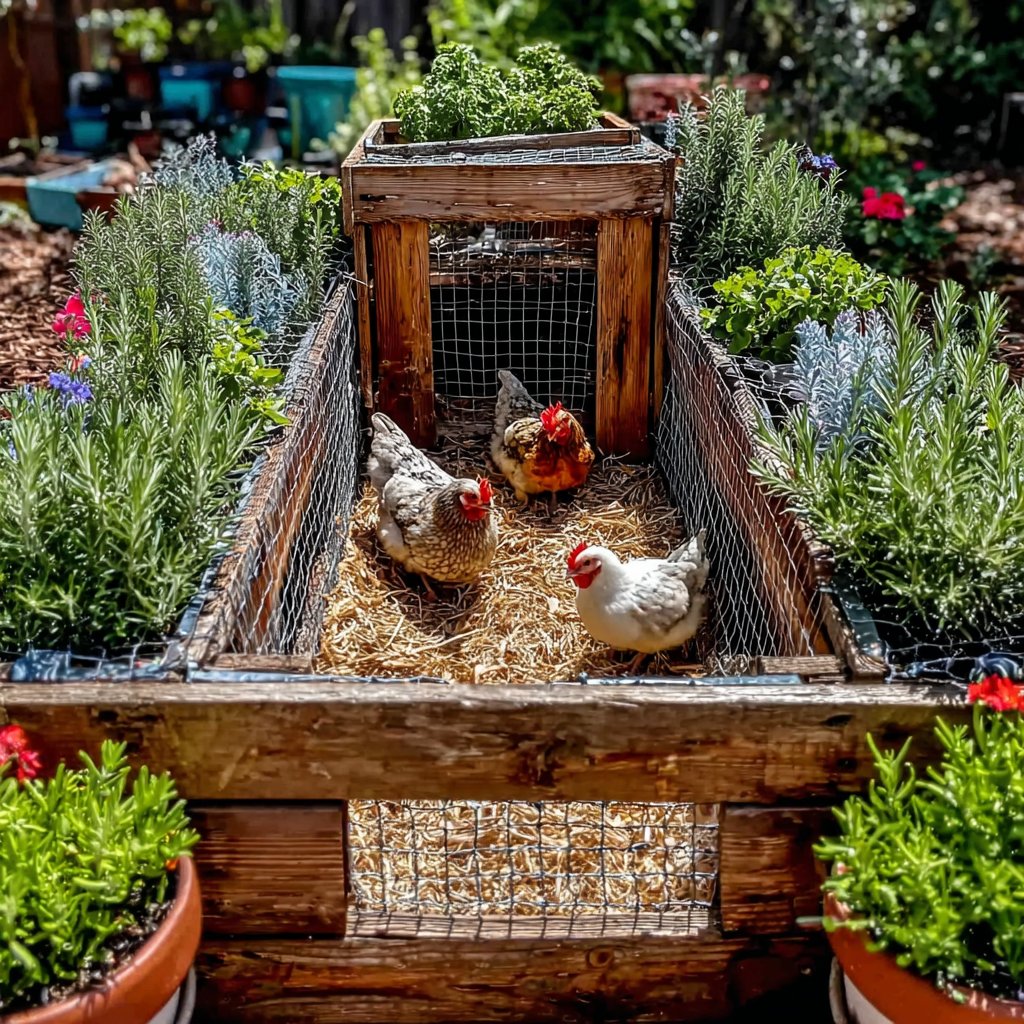
When I began building my chicken run, I had no idea how many creative ideas I could implement using recycled materials. One of my favorite projects was repurposing an old wooden pallet into a beautiful chicken shelter. It took some time to sand it down and make it safe, but the result was impressive and practical. My chickens love spending time in their new space!
Another tip I want to share is to use discarded wire fences to secure the perimeter. It not only keeps the chickens safe from predators but also allows for good airflow. My run has never looked better, and my feathered friends are thriving in their new home.
Why You'll Love These Ideas
- Eco-friendly solutions to enhance your chicken run
- Cost-effective use of materials that would otherwise go to waste
- Unique and creative designs that reflect your personality
- Safe and comfortable living space for your chickens
Creative Materials for Your Chicken Run
One of the best ways to make your chicken run stand out is by using creative materials. For instance, old wooden pallets can be transformed into sturdy walls or gates. Simply disassemble them, sand down any rough edges to prevent splinters, and securely fasten them together. Not only do they provide a rustic look, but they are also solid enough to keep your hens safe from predators. If you have multiple pallets, consider using them to create different sections within the run for your chickens to explore.
Another fantastic option is repurposing discarded wire fences. These can be used to create a secure perimeter while allowing your chickens to enjoy fresh air and sunlight. Make sure to check for any rust or sharp edges, which can be harmful. If you have a limited budget, reaching out to local construction sites or farms may yield some great finds. Just be sure to properly clean and treat the materials before installation to keep your chickens healthy.
Maximizing the Space and Safety
When designing your chicken run, consider incorporating vertical space. Using items such as old ladders or shelves can provide your chickens with climbing opportunities and enrichment. Chickens naturally love to perch, and providing higher spots will not only keep them entertained but can also reduce aggressive behaviors. Just ensure that the perches are safe and stable to prevent any injury from falling when they jump down.
Safety is a top priority for any chicken run. Using recycled materials can sometimes present challenges; for instance, ensure that any sharp edges from repurposed materials are completely smoothed out. Additionally, check for any gaps that might allow small predators access to the run. Regularly inspecting the materials will help you maintain a secure environment. If you notice any weakening in the structure, don’t hesitate to reinforce it with additional supports or replace it altogether.
Adding Personal Touches to Your Chicken Run
Make your chicken run a reflection of your personality by adding personal touches through decoration. You can repurpose items like old garden tools, which can serve as creative wall hangings, or colorful paints that can turn any dreary material into a cheerful atmosphere. Just be careful with paint; it should be non-toxic to ensure the safety of your chickens. I often use bright colors to cheer up the space and really enjoy watching my hens move around in their vibrant environment.
To further enrich the experience for your chickens, consider adding features such as natural plant barriers or hiding spots using recycled materials. Branches and logs not only provide shelter but also encourage natural foraging behavior. Be mindful to use untreated wood to avoid any chemical exposure. By creating a more engaging habitat, you’ll not only keep your chickens happy but may also increase their egg production!
Pro Tips
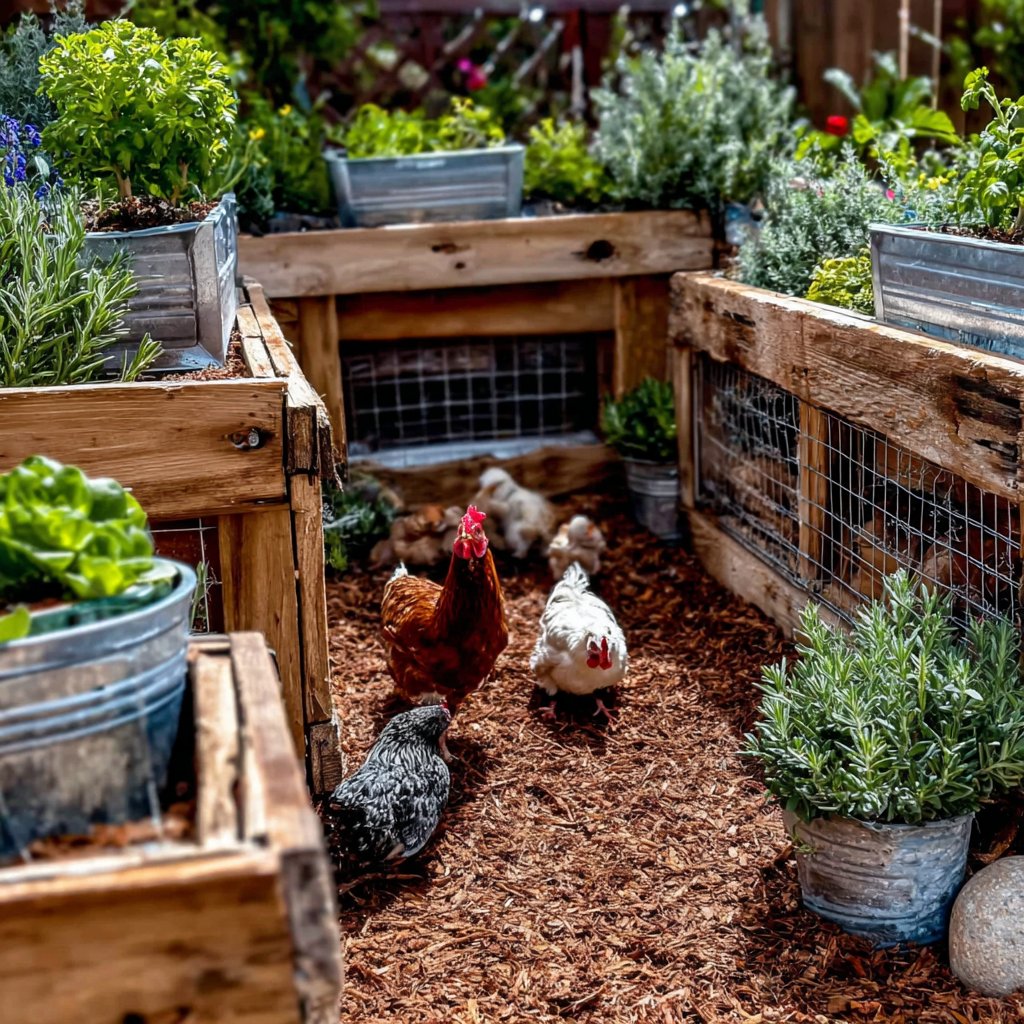
- Consider adding foliage and plants around the chicken run for both aesthetics and shade. Chickens love to peck at grass and forage, making your run more enjoyable for them.
Key Techniques for Construction
Building a chicken run with recycled materials requires careful planning. Start by sketching a layout to optimize space while providing safe access for your chickens. Remember to consider the height – a run should ideally have at least six feet of vertical space so you can comfortably enter and maintain the area. I usually allow for an additional foot to accommodate climbing space and perches. This way, I ensure my chickens are both secure and entertained.
When assembling your chicken run, use a strong weatherproof adhesive if needed, especially for securing parts like wooden pallets. For joints, I recommend using screws over nails, as they provide better stability. Make sure to check that your materials are completely dry before construction—using wet or damp wood can lead to rot, which could compromise your run's integrity over time.
Make-Ahead and Storage Tips
While building a chicken run does not usually require make-ahead tips, you can prepare your materials in advance. For instance, if you're using wooden pallets, it may take time to source them. Check local listings and collect as many as needed before you begin the actual construction. This approach helps in ensuring that you have everything on hand without delays.
For any reusable materials that you may need to store before using them, keep them in a dry area to prevent deterioration. Inspect the condition periodically. If you notice any materials that start to break down, replace them as necessary to keep your chicken run safe and secure. A well-maintained run will ensure a healthier environment for your chickens.
Troubleshooting Common Issues
Common issues with chicken runs constructed from recycled materials often stem from structural integrity. Always double-check for any weak joints or loose materials after the initial setup. Seasonal changes can also affect wood, causing it to expand or contract, which might create gaps. A quick seasonal inspection can save you from potential problems down the line.
Another common challenge is keeping the run clean. Debris can accumulate quickly, especially in a free-range environment. Implementing a cleaning schedule can help maintain hygiene. For early-stage designs, consider how easy it is to access different sections for cleaning. Creating removable panels can significantly simplify maintenance, allowing for easier access without disturbing your chickens too much.
Questions About Recipes
→ Can I use any type of recycled material for my chicken run?
Yes, but ensure that the materials are safe and free from harmful chemicals.
→ How do I ensure my chicken run is predator-proof?
Use sturdy materials that can withstand attempts from predators and ensure the fence is buried a few inches underground.
→ What size should my chicken run be?
A good rule of thumb is to have at least 10 square feet per chicken for a healthy environment.
→ How can I keep my recycled chicken run clean?
Regularly remove waste and provide a dust bath area to help chickens keep themselves clean.
Chicken Run Ideas Using Recycled Materials
Extra Tips
- Consider adding foliage and plants around the chicken run for both aesthetics and shade. Chickens love to peck at grass and forage, making your run more enjoyable for them.