Baking & Desserts Classic Vanilla Butter Cake
Highlighted under: Dessert Delights Co.
I absolutely love baking, and this Classic Vanilla Butter Cake has become a staple in my kitchen. It's the kind of cake that can elevate any occasion, from birthdays to casual get-togethers. The rich vanilla flavor combined with a moist, tender crumb makes each bite delightful. I often experiment with different frostings and fillings, but this cake stands beautifully on its own. Whether enjoyed plain or dressed up with some fresh fruit, it's sure to be a favorite among friends and family.
When I first tried to bake a vanilla butter cake, I was surprised by how simple the process was. The secret lies in using high-quality butter and good vanilla extract, which makes a noticeable difference in flavor. I had some challenges with achieving the perfect rise, but I learned that making sure your ingredients are at room temperature can make all the difference.
As I perfected my technique, I started adding layers of rich, creamy frosting for extra indulgence. It's versatile enough to carry different flavors, but it always returns to the comforting essence of vanilla. This cake is a sweet reminder of family gatherings and celebrations, always bringing smiles.
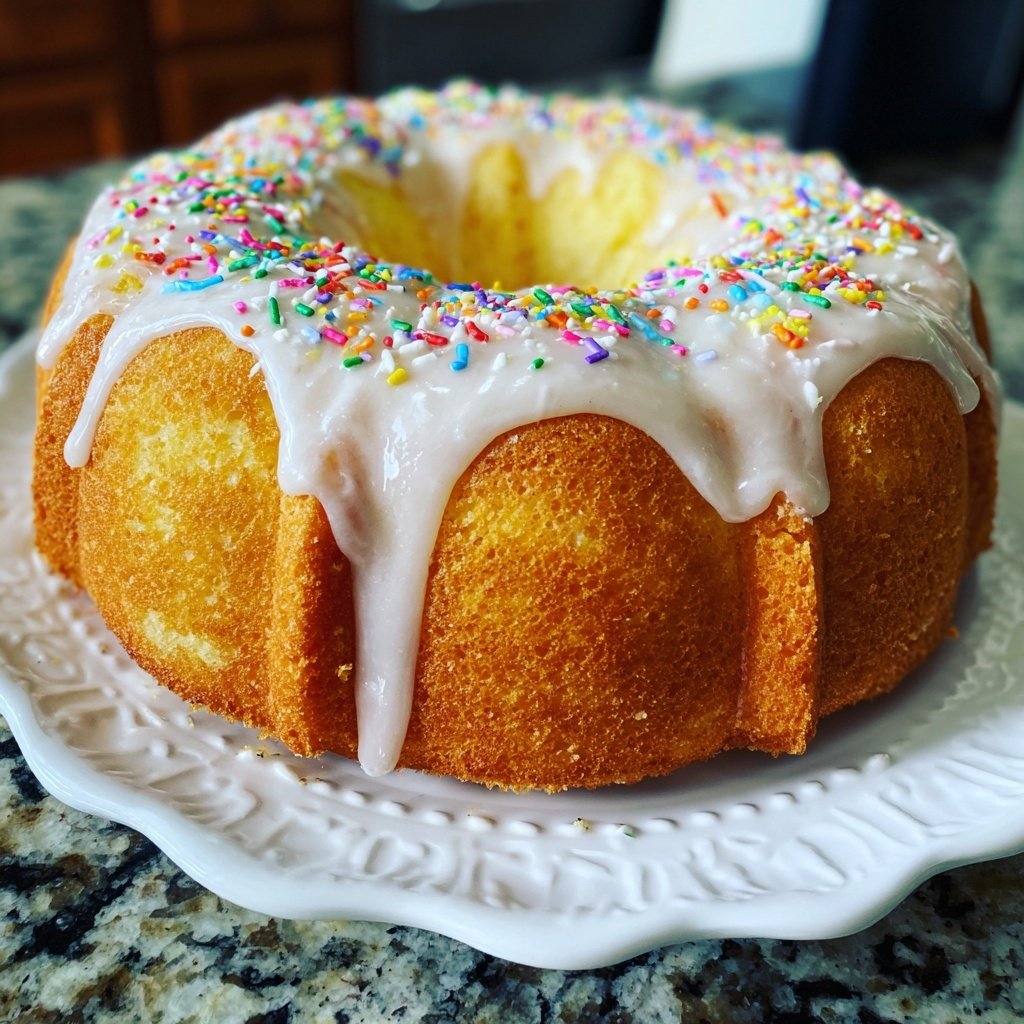
Why You'll Love This Recipe
- A classic flavor that everyone adores
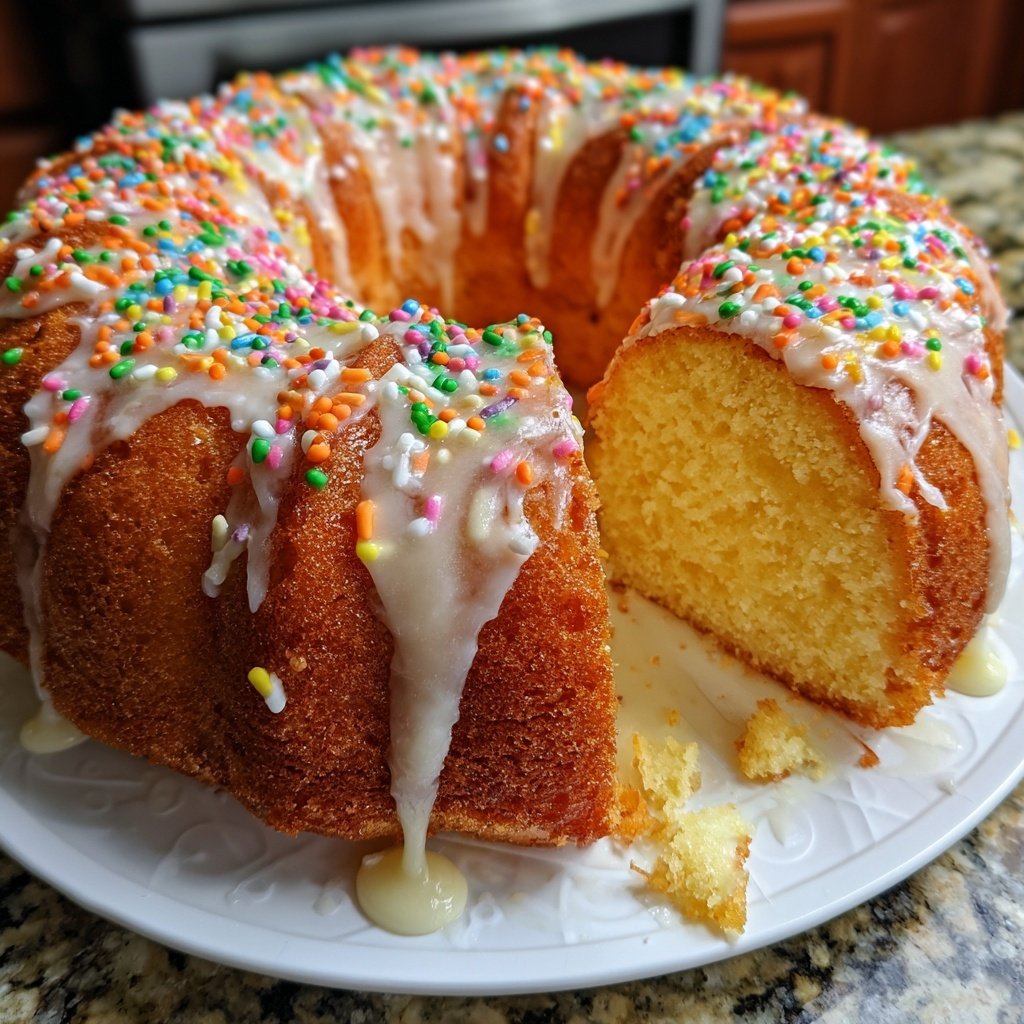
- Moist and tender texture that melts in your mouth
- Perfect base for a variety of frostings and fillings
Understanding Key Ingredients
This Classic Vanilla Butter Cake relies heavily on a few key ingredients that contribute to its rich flavor and texture. The unsalted butter is crucial, as it not only adds moisture but also provides that buttery flavor that enhances the vanilla. Be sure to use room temperature butter when creaming with sugar, as this will help achieve a light, airy texture. If you’re in a pinch, you can substitute the unsalted butter with an equal measure of margarine, but the flavor profile will be slightly different.
Granulated sugar plays a dual role in this recipe; it sweetens the cake while also helping with the cake's structure. The sugar crystals create air pockets during mixing, which support a fluffy cake structure as it bakes. If you want to reduce the sweetness, feel free to lower the sugar by 1/4 cup, but remember that it may affect the cake's moisture level.
Baking Techniques for Perfection
When preparing your cake pans, greasing and flouring them is essential to ensure that your cake releases cleanly. A common alternative to parchment paper is to use a light dusting of flour over the greased surfaces—just tap out any excess after flouring. This method creates a non-stick barrier that'll work perfectly, but always check for any sticking by running a knife around the edges before removing the cakes from the pans.
Pay close attention to baking times; ovens can vary. Start checking your cakes at the 30-minute mark by inserting a toothpick in the center. If it comes out with a few moist crumbs, they're perfect; if it comes out wet, give them a few more minutes, but keep a watchful eye to avoid overbaking. Overbaking can lead to a dry cake, robbing you of that moist, tender crumb characteristic of a good butter cake.
Serving and Storing Your Cake
Once your cake has cooled, it can be enjoyed plain or dressed with a simple frosting. A light buttercream or whipped cream pairs beautifully with the vanilla flavor. If you're feeling adventurous, consider layering the cake with fruit jams or whipped frosting for added flavor and dynamic presentation. Fresh berries on top add a splash of color and can elevate the cake for special occasions without overpowering the classic vanilla taste.
Leftover cake can be easily stored. Wrap individual slices in plastic wrap and store in an airtight container in the fridge for up to a week. Cakes can also be frozen for longer storage; just make sure they are wrapped tightly to avoid freezer burn. Thaw in the refrigerator the night before you plan to enjoy them. The cake will still maintain its moistness and flavor, making it a great option for make-ahead treats.
Ingredients
Gather these ingredients to create the perfect vanilla butter cake:
Cake Ingredients
- 2 cups all-purpose flour
- 1 ½ cups granulated sugar
- ½ cup unsalted butter, softened
- 1 cup whole milk
- 3 large eggs
- 2 teaspoons baking powder
- 1 tablespoon vanilla extract
- ½ teaspoon salt
Make sure to use fresh ingredients for the best flavor!
Instructions
Follow these steps to bake your classic vanilla butter cake:
Prepare Your Oven and Pans
Preheat the oven to 350°F (175°C). Grease and flour two 8-inch round cake pans to prevent sticking.
Mix the Dry Ingredients
In a bowl, whisk together the flour, baking powder, and salt. Set aside.
Cream Butter and Sugar
In a large mixing bowl, cream the softened butter and granulated sugar together until light and fluffy.
Add Eggs and Vanilla
Beat in the eggs one at a time, followed by the vanilla extract, ensuring each is fully incorporated.
Combine Wet and Dry Ingredients
Gradually add the dry ingredients to the butter mixture, alternating with the milk. Mix until just combined.
Pour and Bake
Divide the batter evenly into the prepared pans. Bake for 30-35 minutes, or until a toothpick comes out clean.
Cool and Serve
Allow the cakes to cool in the pans for 10 minutes before transferring them to a wire rack. Frost as desired!
Let the cake cool completely before adding frosting.
Pro Tips
- For added flavor, consider adding a teaspoon of almond extract to the batter or garnishing the cake with fresh berries.
Troubleshooting Common Issues
If you find that your cake is domed in the center or has cracked on top, this often indicates that the oven temperature was too high. Consider purchasing an oven thermometer to ensure accurate readings, as what your dial says and the actual temperature can differ. Alternatively, next time, lower your oven temperature by 25°F (about 15°C) to promote even rising.
Should the cake turn out dense, check that you haven’t overmixed your batter. When combining the wet and dry ingredients, mix only until incorporated—some lumps are perfectly fine. Excessive mixing develops gluten, leading to a harder cake rather than the tender crumb you’re aiming for.
Variations to Explore
While this Classic Vanilla Butter Cake is a winner as is, you can easily adapt it for a different flavor profile. Try adding citrus zest, such as lemon or orange, to the batter to introduce a bright note. For an almond flavor, replace half of the vanilla extract with almond extract for a delightful variation that complements many frostings and fillings.
You can also experiment with different flours; for instance, substituting half of the all-purpose flour with almond flour can give your cake a subtle nuttiness and a slightly dense texture, ideal for a unique twist. Just remember to keep an eye on your baking time as the texture can change slightly with different flours.
Frosting Tips
When it comes to frosting your cake, temperature is critical. A warm cake can melt frosting, leading to a gooey mess. Allow your cake to cool completely before applying any frosting. I usually chill my cakes in the refrigerator for about 30 minutes before frosting them, as this helps make the process cleaner and easier.
If making a buttercream frosting, ensure your butter is at room temperature; it should be soft but not melted. This helps create that light, fluffy texture that spreads easily. You can also infuse the frosting with flavors like cocoa powder or espresso powder, adding an extra layer of complexity to your dessert.
Questions About Recipes
→ Can I use a different type of flour?
Yes, but note that using whole wheat flour may change the texture slightly.
→ How can I make this cake gluten-free?
Substitute all-purpose flour with a gluten-free flour blend, ensuring that it contains a binding agent.
→ Can I freeze this cake?
Absolutely! Wrap it tightly in plastic wrap and store it in an airtight container for up to 3 months.
→ What can I substitute for eggs?
You can use flax eggs (1 tablespoon flaxseed meal + 2.5 tablespoons water per egg) for an egg replacement.
Baking & Desserts Classic Vanilla Butter Cake
Created by: Arabella Scott
Recipe Type: Dessert Delights Co.
Skill Level: Intermediate
Final Quantity: 8 servings
What You'll Need
Cake Ingredients
- 2 cups all-purpose flour
- 1 ½ cups granulated sugar
- ½ cup unsalted butter, softened
- 1 cup whole milk
- 3 large eggs
- 2 teaspoons baking powder
- 1 tablespoon vanilla extract
- ½ teaspoon salt
How-To Steps
Preheat the oven to 350°F (175°C). Grease and flour two 8-inch round cake pans to prevent sticking.
In a bowl, whisk together the flour, baking powder, and salt. Set aside.
In a large mixing bowl, cream the softened butter and granulated sugar together until light and fluffy.
Beat in the eggs one at a time, followed by the vanilla extract, ensuring each is fully incorporated.
Gradually add the dry ingredients to the butter mixture, alternating with the milk. Mix until just combined.
Divide the batter evenly into the prepared pans. Bake for 30-35 minutes, or until a toothpick comes out clean.
Allow the cakes to cool in the pans for 10 minutes before transferring them to a wire rack. Frost as desired!
Extra Tips
- For added flavor, consider adding a teaspoon of almond extract to the batter or garnishing the cake with fresh berries.
Nutritional Breakdown (Per Serving)
- Calories: 380 kcal
- Total Fat: 26g
- Saturated Fat: 15g
- Cholesterol: 195mg
- Sodium: 85mg
- Total Carbohydrates: 32g
- Dietary Fiber: 3g
- Sugars: 24g
- Protein: 6g